What I Release - Mp3
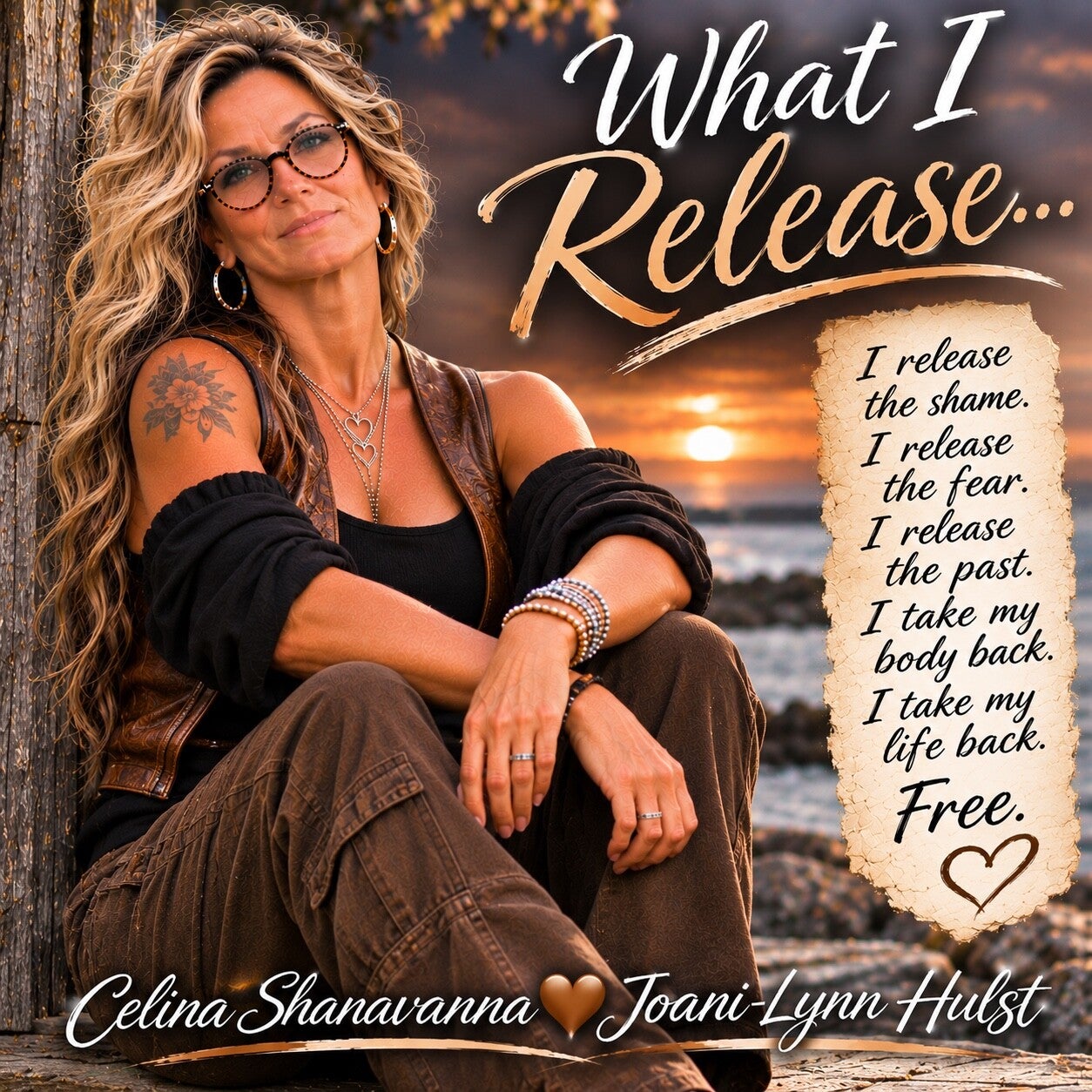
🎵 Listen to full song below
Theme:
Sexual Abuse and Assault, Surviving Repeated Violations, Breaking the Silence, Reclaiming Bodily Autonomy, Releasing Undeserved Shame, Forgiveness Without Absolution, Healing from Trauma, Personal Empowerment, and Freedom from the Past.
Description: 6:39
“What I Release” is an extraordinarily powerful, deeply personal, emotionally raw, and unapologetically courageous declaration of survival, truth, bodily autonomy, and liberation from the devastating consequences of repeated sexual abuse and assault.
This profoundly moving piece gives a voice to a woman who endured sexual violations by multiple men over time, confronting the painful reality of deliberate acts committed without her consent, against her wishes, and in complete disregard of her right to safety, dignity, and control over her own body.
It refuses to disguise sexual violence behind excuses, misunderstandings, accidental circumstances, or softened language.
What happened was abuse. What happened was assault. Consent was violated. And responsibility belongs entirely to the men who committed those acts.
Through unfiltered honesty and deeply affecting imagery, the piece explores how sexual trauma can remain with a survivor long after the violations themselves have ended.
It acknowledges the lasting impact on emotional security, physical responses, intimacy, trust, self-worth, and the ability to feel completely safe within one's own body.
It also recognizes the instinctive survival responses that can occur during sexual violence, including freezing, emotional detachment, and dissociation.
These responses are not weakness, permission, or consent. They are involuntary ways the mind and body may respond to overwhelming danger.
“What I Release” confronts the tremendous burden of carrying fear, shame, and emotional wounds that never belonged to the survivor in the first place.
The shame belongs to those who committed the violations, not to the person who endured them.
At the emotional centre of this piece is a powerful and deeply personal understanding of forgiveness.
This is not forgiveness offered because the perpetrators deserve compassion, understanding, mercy, or absolution.
They do not receive an excuse for their actions, a softened account of their cruelty, or freedom from responsibility.
Instead, forgiveness is defined entirely on the survivor's terms.
It becomes an act of release—a conscious decision to stop allowing the actions of those who violated her to remain the defining influence over her present and future.
The piece makes an essential distinction between remembering what happened and continuing to live imprisoned by its emotional consequences.
Releasing the burden does not mean denying the truth, forgetting the violations, or pretending that the harm was insignificant.
It means refusing to allow those experiences to dictate every future relationship, every moment of intimacy, every expression of happiness, or every opportunity to experience life fully.
“What I Release” also delivers a profoundly important message about reclaiming ownership of one's body.
The survivor declares her right to feel safe, to experience affection without fear, to embrace intimacy without shame, and to rediscover pleasure, confidence, independence, and personal freedom on her own terms.
Her body is not defined by what others did to it.
Her identity is not determined by the violence she survived.
And her future does not belong to the men who violated her past.
The repeated declarations of release become increasingly powerful as the piece progresses, transforming decades of emotional burden into a declaration of self-ownership and liberation.
It honours the extraordinary strength required to survive repeated violations while recognizing that survival itself should not have to remain the centre of a person's identity forever.
There is a life beyond surviving.
A life where happiness is permitted, personal boundaries are respected, affection can be welcomed, and the survivor has the freedom to determine what happens to her own body.
Above all, “What I Release” is about taking back what sexual violence attempted to steal: choice, dignity, bodily autonomy, emotional freedom, and the right to live without being continually controlled by the actions of others.
“What I Release” is more than a song about sexual abuse and assault. It is a survivor's fearless testimony, an uncompromising rejection of undeserved shame, and a declaration that the people responsible for sexual violence do not deserve continued authority over the lives of those they harmed.
Its message is unmistakable: Sexual abuse and assault are never the survivor's fault. Freezing is not consent. Silence is not consent. Survival is not weakness. And forgiveness, when freely chosen, does not excuse violence, erase accountability, or grant perpetrators absolution.
The violations were real. The suffering was real. The consequences were real. But none of those experiences diminish the survivor's worth, dignity, or right to a fulfilling future.
This forgiveness is not a gift to the men who committed the abuse. It is a deeply personal act of release, chosen by the woman who survived them.
They do not receive forgiveness as a reward. They do not receive absolution. They do not receive another moment of authority over her life.
She reclaims her body. She reclaims her voice. She reclaims her choices, her independence, her happiness, and the years still waiting to be lived.
What happened will always be part of her history, but it does not have to remain the definition of her existence.
She was violated, but she was never theirs.
She survived, and her survival belongs to her alone.
This is not where the truth is forgotten.
This is where the burden is released, the survivor takes back her power, and the future becomes her own.
Not for them. Never for them.
For herself.
Free. Unburdened. Moving forward.