This Forgiveness Is A Boundary - Mp3
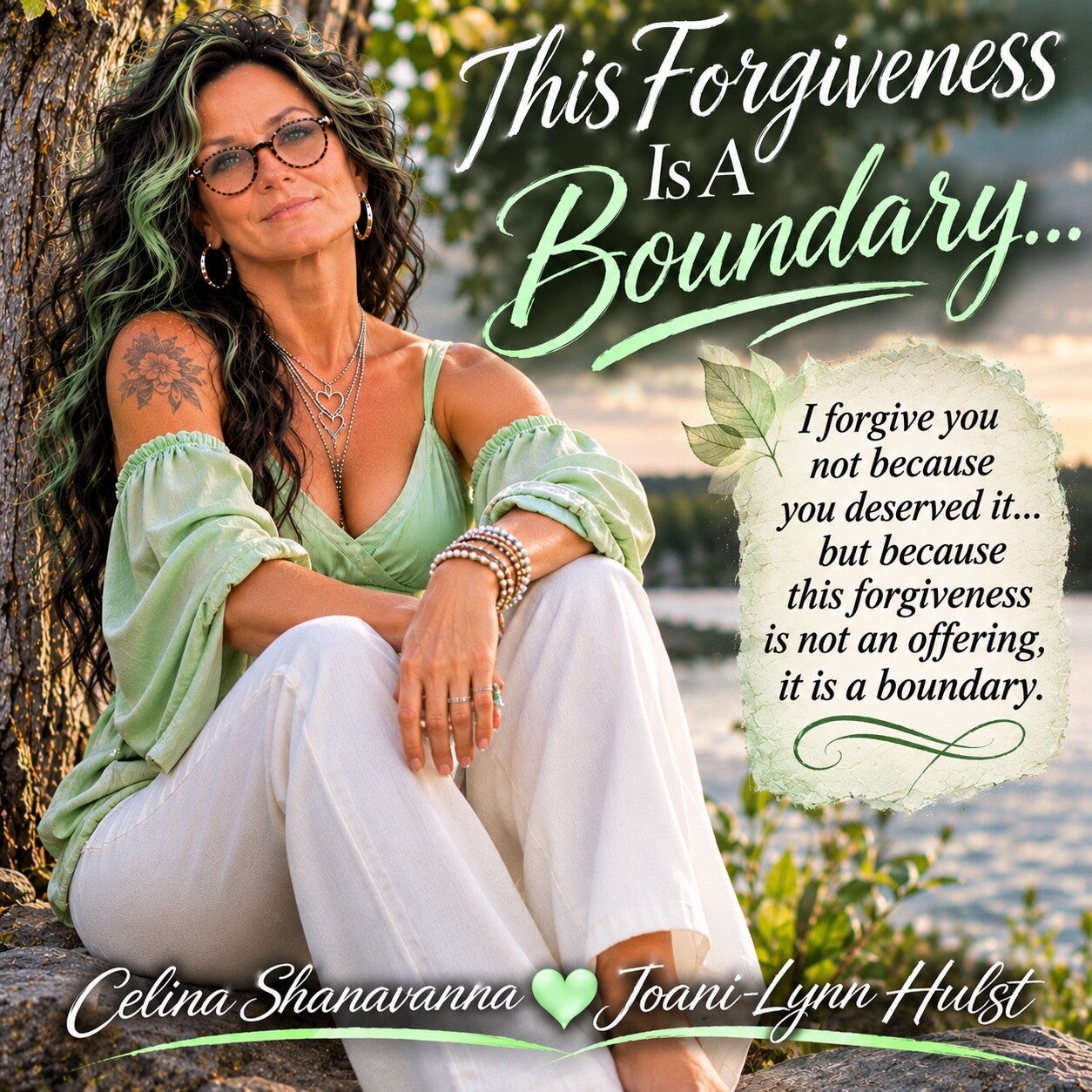
🎵 Listen to full song below
Theme:
Maternal Abuse, Childhood Betrayal, Emotional Trauma, Complicated Love and Hatred, Unresolved Grief, Forgiveness Without Reconciliation, Reclaiming Personal Power, Emotional Liberation, Self-Worth, and Choosing Freedom Over a Painful Past.
Description: 5:57
“This Forgiveness Is A Boundary” is an extraordinarily powerful, deeply emotional, and unapologetically honest declaration of survival, healing, and liberation from the lifelong wounds inflicted by an abusive mother.
This profoundly personal piece explores one of the most painful contradictions a child can experience: loving the very person who was supposed to provide protection, comfort, and unconditional love, while simultaneously carrying deep anger and hatred toward that same person for the cruelty and suffering they caused.
It captures the heartbreaking reality that a child's natural love for their mother does not automatically disappear when that mother becomes a source of fear, humiliation, emotional harm, and betrayal.
Through raw, courageous, and unfiltered words, the piece confronts the devastating consequences of maternal abuse and the lasting influence it can have on a person's self-worth, relationships, emotional security, and ability to experience happiness without anticipating its loss.
“This Forgiveness Is A Boundary” also explores the complicated relationship between love, hatred, grief, and the passage of time.
Even twenty-eight years after her mother's death, the emotional presence of the abuse remains. Her mother's words continue to echo through memories, personal decisions, relationships, and the internal voice shaped by years of mistreatment.
The piece acknowledges that death does not automatically erase trauma, that time alone does not guarantee healing, and that the absence of an abuser does not necessarily end the emotional influence of their actions.
At its heart lies a particularly meaningful recognition: the hatred carried for so many years was not simply bitterness or resentment. It was a form of protection.
That anger defended the child who had been hurt, validated the suffering that others may never have acknowledged, and served as a reminder that what happened was real, serious, and undeserved.
Yet the piece also recognizes that emotions which once helped someone survive do not have to remain lifelong burdens.
As the hatred gradually begins to lessen, forgiveness emerges—not because the mother earned it, expressed remorse, apologized, or accepted responsibility, but because the survivor no longer wishes to sacrifice her present happiness to the cruelty of the past.
This is not forgiveness that excuses abuse, rewrites history, minimizes suffering, or grants absolution.
It is forgiveness transformed into a personal boundary.
A boundary that declares the abuser no longer has permission to control the survivor's thoughts, influence her self-worth, interrupt her happiness, or dictate how she experiences the life she has fought to reclaim.
The song makes a powerful distinction between releasing emotional burdens and offering reconciliation. Forgiveness does not require renewed affection, a softened opinion of the abuser, or the denial of what occurred.
Instead, it becomes an act of self-preservation, self-respect, and personal freedom.
One of its most moving messages is the recognition that anger does not need to be condemned in order to be released. It can be acknowledged with gratitude for the protection it once provided, while finally being allowed to rest.
“This Forgiveness Is A Boundary” represents the transformation of a survivor who once organized her life around the harm inflicted upon her into a woman determined to build her future around her own happiness, independence, dignity, and freedom.
It is about reclaiming the right to experience joy without guilt, peace without fear, and love without the constant expectation of betrayal.
Above all, it is a declaration that a person's identity is not defined by the abuse they endured, the parent who failed them, or the emotional wounds they were forced to carry.
“This Forgiveness Is A Boundary” is more than a song about forgiveness. It is a deeply personal farewell to the emotional authority of an abusive mother, a tribute to the child who survived, and a declaration from the adult woman who has finally chosen herself.
Its message is unmistakable: Forgiveness does not mean the abuse was acceptable. It does not erase responsibility, demand reconciliation, or grant an abuser peace. Sometimes forgiveness is simply the boundary that prevents the past from continuing to control the future.
The anger was justified. The pain was real. The abuse was never deserved. And none of those truths must be surrendered in order to move forward.
This is not forgiveness given as a gift to the person who caused the suffering. It is freedom claimed by the person who survived it.
The mother remains part of the past, but she no longer gets to determine the future.
The survivor keeps her voice, her dignity, her independence, her happiness, and the life that has always belonged to her.
This forgiveness is not where the abuse is excused.
It is where the abuser's power ends—and the survivor's freedom begins.