What No Longer Has Power - Mp3
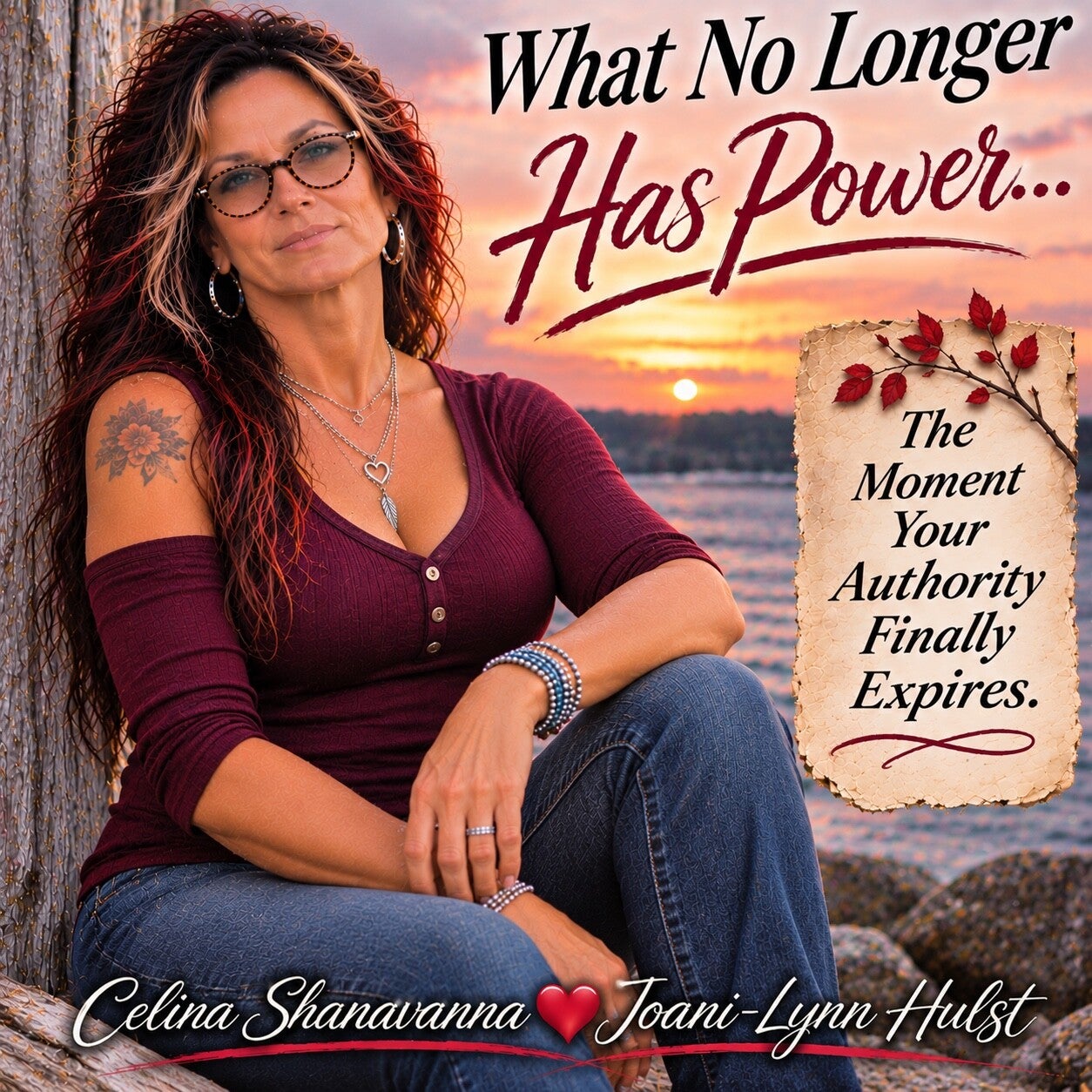
🎵 Listen to full song below
Theme:
Childhood Sibling Abuse, Betrayal of Trust, Verbal and Physical Abuse, Emotional Trauma, Breaking the Cycle of Fear, Forgiveness Without Reconciliation, Reclaiming Personal Power, and Freedom from the Past.
Description: 7:57
“What No Longer Has Power” is an intensely powerful, deeply personal, and unapologetically honest declaration of survival, self-liberation, and the reclamation of a voice that was once silenced by childhood abuse.
This emotionally commanding piece confronts the devastating effects of verbal and physical abuse inflicted by an eldest sibling who used their greater age, size, and position within the family to intimidate, dominate, humiliate, and control a younger sibling.
It makes an essential distinction: this was not ordinary sibling rivalry, childhood teasing, harmless roughhousing, or mutual conflict. It was abuse, carried out within a home where safety, protection, and love should have existed.
Through raw and unfiltered words, the piece exposes how childhood cruelty can extend far beyond the moments in which it occurs. The fear, humiliation, threats, and emotional wounds can follow a survivor into adulthood, influencing confidence, self-worth, relationships, and the instinctive reactions developed to survive.
“What No Longer Has Power” refuses to minimize, justify, excuse, or disguise the abuse. It places responsibility precisely where it belongs—with the person who chose to inflict the harm.
At its emotional centre is a profound distinction between forgiveness and reconciliation.
This is not forgiveness offered because an apology was received, because accountability was demonstrated, or because the past has somehow become acceptable. Nor is it an invitation to reconnect, forget, or pretend that the abuse never happened.
Instead, forgiveness becomes an act of personal freedom—a conscious decision to stop allowing the cruelty of an eldest sibling to maintain authority over the adult survivor's life.
The piece powerfully describes the transformation from a frightened child who learned to become smaller for protection into an independent adult who no longer needs permission, approval, or acceptance from the person who caused the suffering.
It recognizes that surviving through silence, caution, and endurance was never weakness. Those responses were necessary strategies developed under circumstances where freedom and safety were limited.
But survival strategies do not have to remain permanent once the danger has passed.
With unwavering conviction, the survivor rejects the emotional authority of the past, releases the burden of carrying another person's cruelty, and reclaims the right to live without fear, intimidation, or self-doubt.
“What No Longer Has Power” is more than a confrontation with childhood abuse. It is a declaration of independence from its lasting influence, a refusal to carry undeserved shame, and a powerful affirmation that forgiveness can exist without reconciliation, excuses, or renewed access to the survivor's life.
Its message is unmistakable: Abuse does not become acceptable because it happened within a family. Being older never granted anyone the right to dominate, intimidate, or harm someone younger. And forgiveness does not erase responsibility or require the survivor to surrender their boundaries.
The child once had little power to escape. The adult now has every right to walk away.
The past cannot be rewritten, but it no longer gets to dictate the future. The voice that was once silenced now speaks with authority, the strength once spent surviving now belongs to living, and the power once held by the abuser has finally expired.
This is not forgiveness for the abuser. This is freedom for the survivor.