Wrong Kind Of Right - Mp3
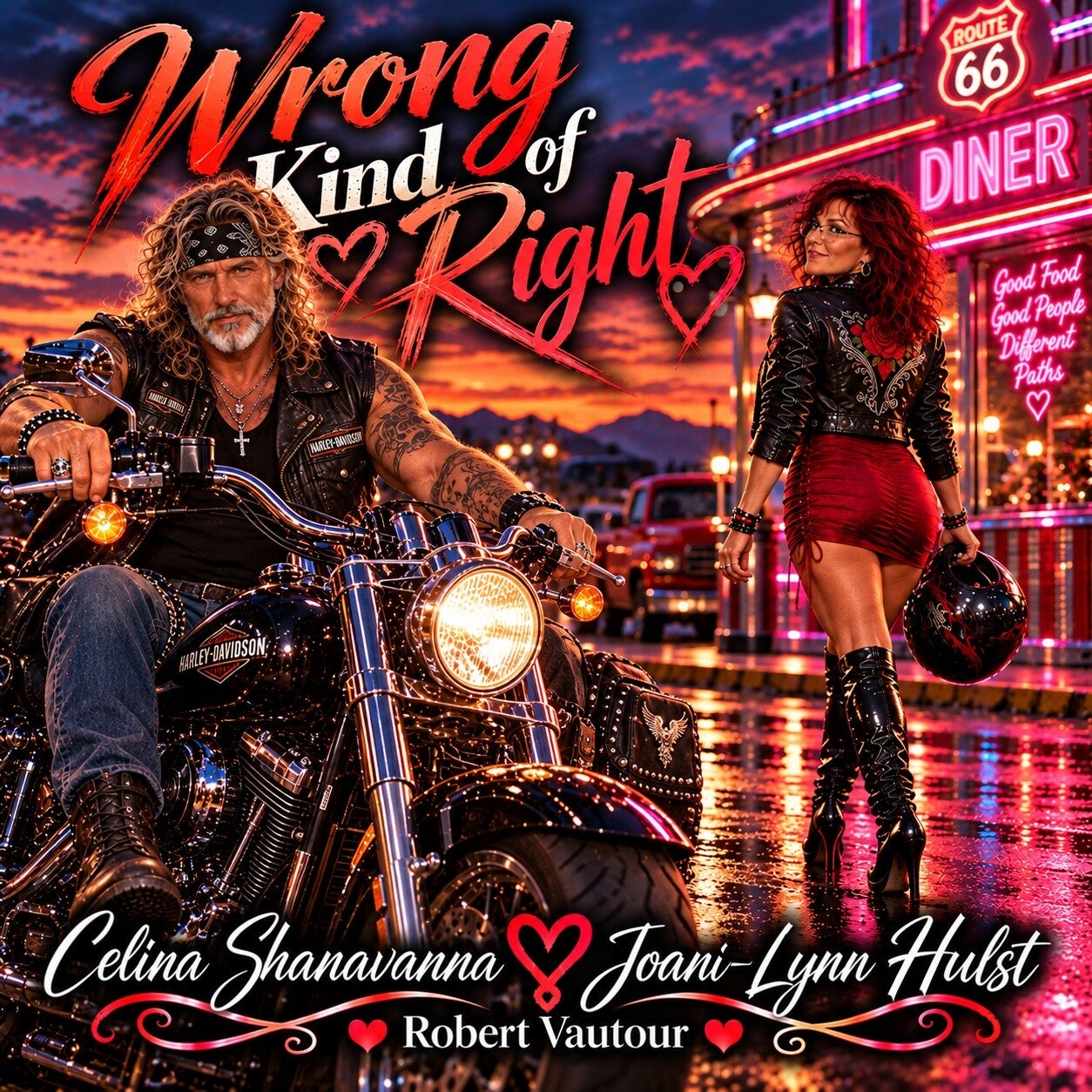
🎵 Listen to full song below
Theme:
The bittersweet reality of finding someone you genuinely believe is the right person for you, only to know that the circumstances surrounding that connection make pursuing the relationship wrong.
The song explores the emotional contradiction of wanting someone who possesses the qualities, character, and connection you have always hoped to find, while knowing that an existing marriage stands between what your heart desires and what reality allows.
It reflects the complicated experience of recognizing someone as the right man, not because he is perfect, but because something about him feels genuinely compatible, meaningful, and deeply appealing.
Yet even when the attraction is real and the desire to be together exists, feelings alone cannot erase the commitments, responsibilities, and consequences surrounding an unavailable relationship.
At its heart, the song is about wanting the right man in the wrong circumstances, and the painful understanding that someone can feel completely right to your heart while remaining wrong for your life.
Description: 4:43
Wrong Kind Of Right is a deeply emotional, bittersweet, and thought-provoking song about the complicated experience of meeting a man who feels genuinely right for you, while knowing from the very beginning that his marriage makes a romantic relationship something that cannot be approached without emotional and moral complications.
Through contrasting personalities and an emotionally conflicted storyline, the song explores the powerful attraction that can develop between two people whose connection feels meaningful, yet whose circumstances prevent them from freely choosing a future together.
He represents many of the qualities a woman might have hoped to find in a partner: kindness, dependability, strength, consistency, and the ability to make someone feel emotionally connected.
He is not portrayed as someone who lacks the qualities she desires. Quite the opposite.
He is the man she wants, the man she recognizes as right for her, and the man she might have chosen without hesitation if circumstances had been different.
But he is married, and that reality changes everything.
One of the song's most important emotional distinctions is that the woman is not walking away because she lacks attraction, cannot appreciate a good man, or simply prefers excitement over stability.
Her feelings are genuine. Her attraction is real. She sees something in him that she wants in her life.
The conflict comes from knowing that wanting someone does not automatically mean that being together is possible, appropriate, or free from consequences.
This creates a particularly painful kind of emotional contradiction.
Unlike relationships that end because affection disappears, personalities clash beyond repair, or one person discovers that the other is not who they appeared to be, this connection carries the weight of recognizing desirable qualities in someone who is already committed elsewhere.
The lyrics' contrast between the “best boy” and the “bad girl” can also be understood as reflecting the complicated judgments people sometimes attach to relationships that do not fit conventional expectations.
He may possess the qualities associated with a good, dependable man, while she may appear to be the woman pursuing something she knows she should not have.
Yet those labels cannot fully explain the feelings, circumstances, and personal conflicts involved.
The song acknowledges that human emotions are rarely as simple as the categories society places upon them.
A particularly meaningful element is the difference between knowing what is right emotionally and recognizing what is right in reality.
The heart may identify someone as special, compatible, and deeply desirable, while the mind understands that an existing marriage creates boundaries that feelings cannot simply remove.
That awareness does not necessarily make the attraction disappear.
It can instead make the situation more difficult, because the person is not being rejected for lacking something important. The obstacle exists outside the qualities that made him appealing in the first place.
As the lyrics progress, the idea of two people living in different worlds becomes increasingly significant.
Their differences are not limited to personality, temperament, or lifestyle.
One person's life already contains a marital commitment, while the other may desire a relationship in which love can be freely chosen, openly expressed, and built upon without the complications of an existing marriage.
Even when the connection feels powerful, those realities cannot be ignored.
The song also explores the limitations of believing that strong feelings alone can overcome every obstacle.
Love, attraction, and emotional compatibility may create the desire for a relationship, but they cannot automatically resolve existing commitments or guarantee that pursuing those feelings will lead to happiness.
Sometimes the most difficult realization is that a person can be everything we want in certain ways while still being someone we cannot build the life we envision with.
The repeated phrase “Best boy, bad girl” reinforces the tension between how the connection feels personally and how it exists within the wider circumstances of their lives.
Neither attraction nor emotional significance automatically makes the situation simple.
There may be longing, hope, disappointment, and the persistent thought of what might have happened if the two people had met under different circumstances.
And perhaps that is one of the saddest elements of the song.
The question is not necessarily whether she wanted him enough.
She did.
It is whether wanting someone can ever be enough when the circumstances make the relationship wrong.
As the song approaches its conclusion, the message becomes one of recognition rather than denial.
The feelings do not have to be dismissed as meaningless simply because the relationship cannot become what the heart desires.
The connection may have been genuine. The attraction may have been powerful. The belief that he was the right man may have been sincere.
But the reality of his marriage remains an essential part of the story.
Ultimately, Wrong Kind Of Right is a poignant exploration of unavailable love, genuine attraction, emotional conflict, and the painful difference between finding someone who feels right and finding someone with whom a relationship can actually be right.
Because sometimes the hardest person to want is not someone who is wrong for your heart, but someone who feels right in almost every way while belonging to a life that already includes someone else. You can recognize his qualities, desire his companionship, and genuinely believe he is the man you would have chosen, yet still understand that his marriage makes the situation wrong.
He wasn't the wrong kind of man. He was the man she wanted, the man she believed was right for her, but the circumstances made him the wrong kind of right.
Not wrong in her heart. Wrong in the reality of their lives.